Cuando no es Juan es Juana
A Spanish-language Dominican comedy bringing Tristan’s directing and executive-producing responsibilities into one project. The credited roles reflect the connection between creative decisions and production leadership.
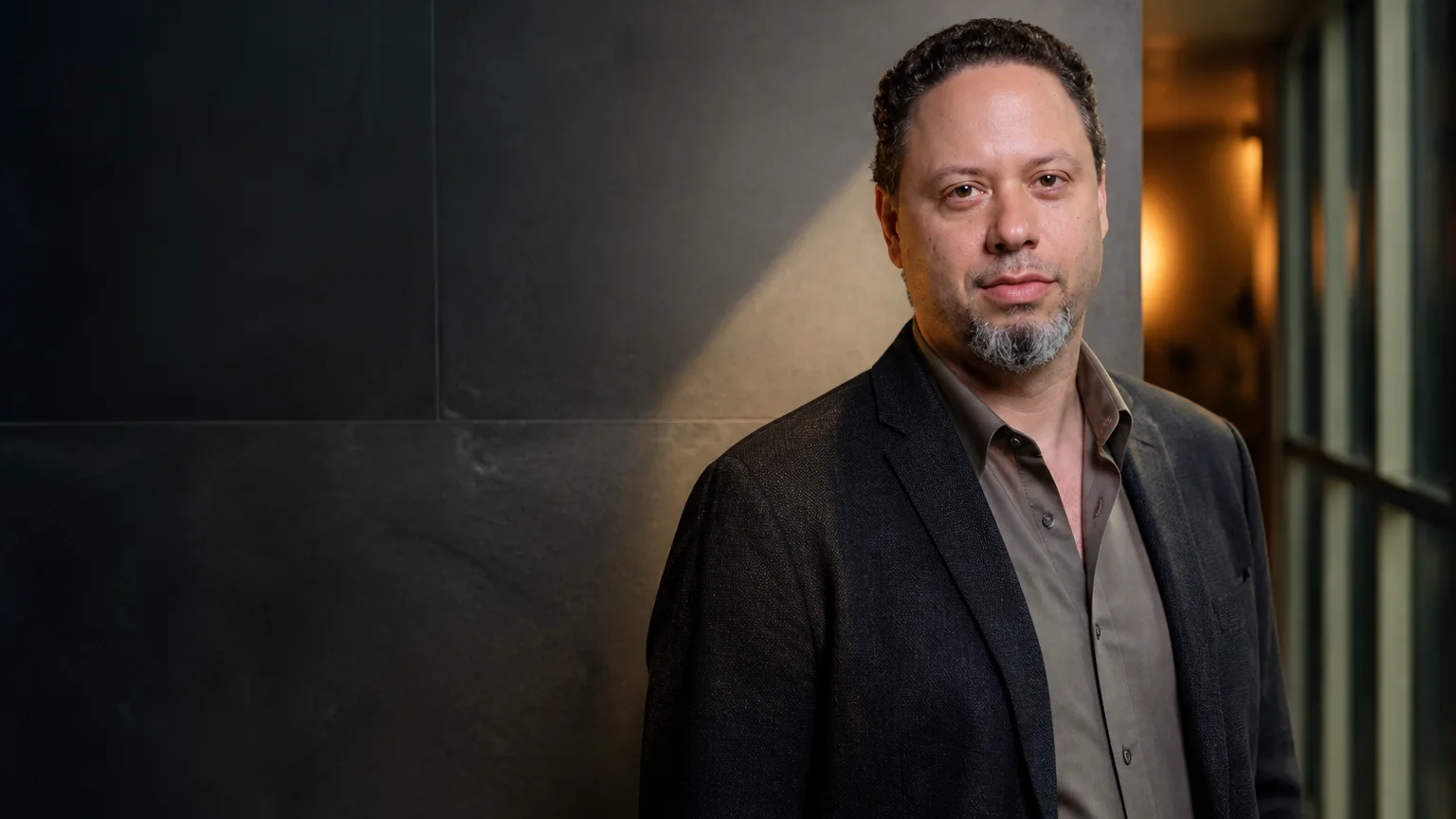
Tristan Desechenes / Film producer & director
A Dominican-Canadian perspective on film, television and the business of bringing stories to screen. Creative ambition, cultural character and a practical path forward.
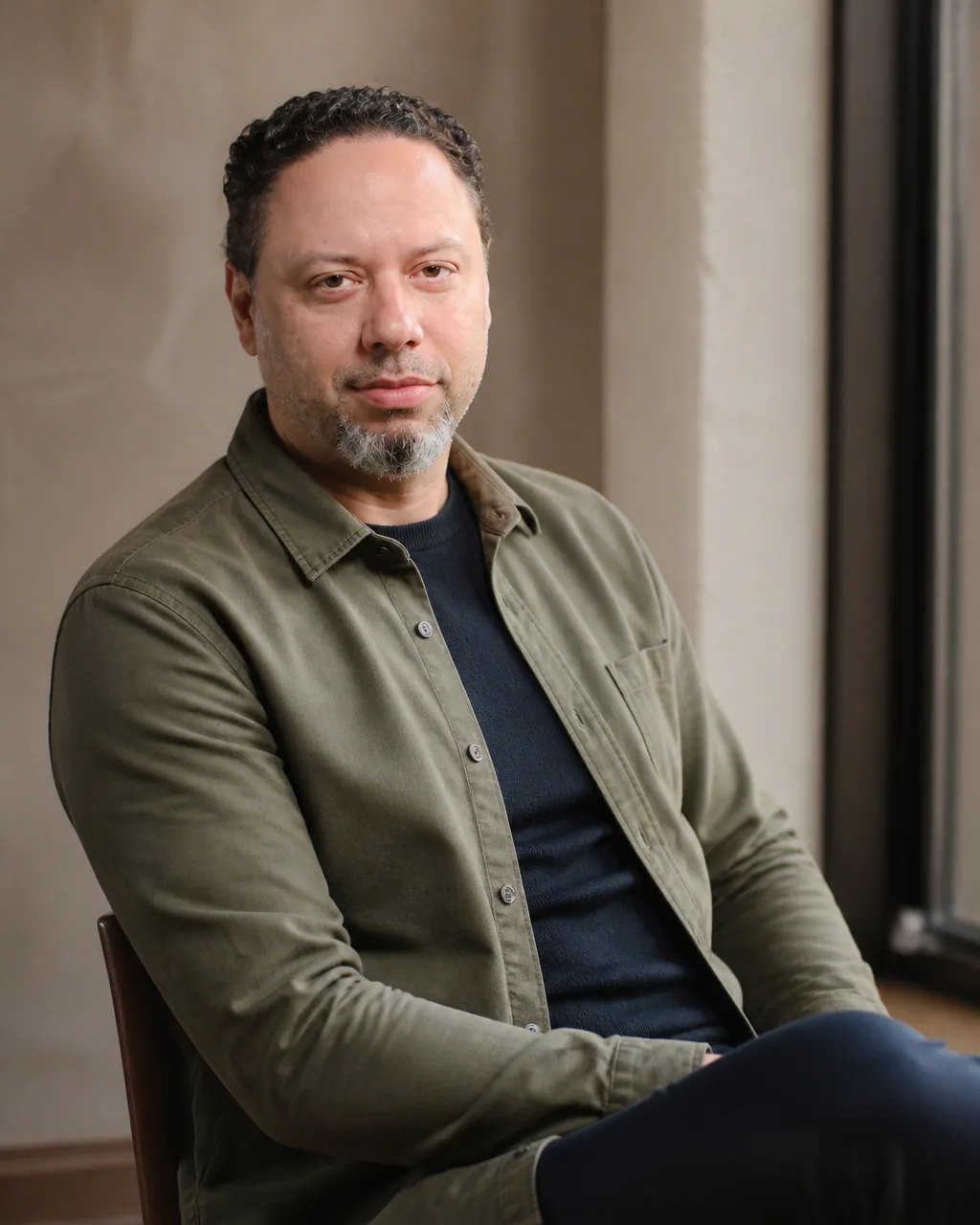
The producer-operator
Tristan Desechenes is a Dominican-Canadian producer, director and media entrepreneur, Canadian-born and raised, with a career connecting creative development, business operations and cross-border production.
His experience moves between feature films, scripted television and unscripted entertainment. It brings the creative questions into the same room as the practical ones: who the story is for, what the production needs and how collaborators can move it forward.
Through Tris222, his executive platform, Tristan focuses on production leadership, project-readiness conversations and partnership development for Dominican, Caribbean, Latino and multicultural opportunities.
For international partners, he brings a Dominican production perspective. For local creators, his focus is helping culturally specific stories become ready for broader industry conversations—without flattening the character that makes them worth telling.
Producing / Directing / Writing / Distribution perspective / Technology building
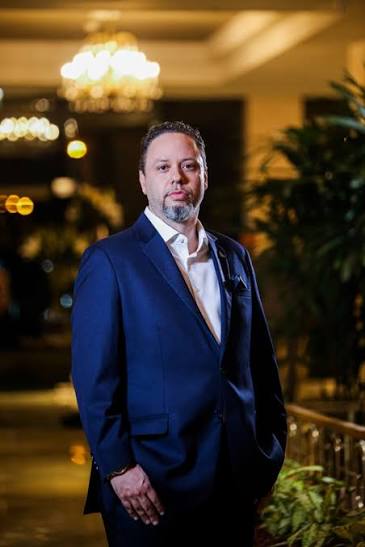
From the public record · April 13, 2020
Diario Libre reported Tristan’s appointment as president of Los Angeles-based NYLA Media Group and identified his operations leadership role at Pro Capital Film Studios. The report also described NYLA’s Dominican production activity, including The Havisham Effect with an international cast.
Selected experience / Not an exhaustive filmography
Different formats ask different things of a producer. Tristan’s experience connects screen storytelling with the coordination, judgment and relationships behind the work.
Local detail.
Different audience possibilities.
The projects below are selected experience, with public credit or reporting links where available. No ratings, financing outcomes or current release schedule are implied.
A Spanish-language Dominican comedy bringing Tristan’s directing and executive-producing responsibilities into one project. The credited roles reflect the connection between creative decisions and production leadership.
Two families, a Dominican wedding celebration and an unexpected turn into chaos. Filmed in the Dominican Republic, the project brings together Dominican and international creative contributors. Its festival record includes Fantaspoa, Ramsgate Film Festival and the Santo Domingo Film Festival.
A mystery-driven Dominican television production with local and international performers. Its cross-cultural approach places Dominican settings and character within a familiar dramatic format.
IMDb’s title record lists Tristan as director and co-writer alongside Junior Rosario. This creative lane remains part of the perspective he brings to producing, without being presented as a separate fixed service package.
His producing background includes Chelsy Live, Mermelada and Buscándole un novio a mamá, alongside involvement in projects connected to The Voice Dominicana. These formats bring their own demands around personality, audience expectations and production coordination.
A credit tells you the role. A useful production conversation goes further: the project’s current reality, the decisions ahead and the responsibility a collaborator would carry.
Talk about your next projectThe service / Film Producer
Start with the project’s next decision. Production leadership is most useful when the creative purpose, audience and requested role are understood.

Clarify the concept, intended audience and materials already in place. Identify the questions preventing progress and discuss development or packaging priorities appropriate to the current stage.
Useful starting point: what is ready, what is missing and what needs a decision.
Explore where a producer relationship could support the creative and operational work. Discuss scope, collaborator needs, dependencies and the responsibilities an engagement would actually cover.
Useful starting point: a defined production need, not a general promise of support.
Consider Dominican market entry and co-production opportunities in the context of the wider project. Establish the local questions, partner expectations and specialist input needed before commitments.
Useful starting point: local perspective and clearly assigned next steps.
For brands and agencies, connect campaign purpose with culturally credible entertainment, scope and deliverables. For platforms and distribution partners, begin with project fit, readiness and rights clarity.
Useful starting point: a relevant audience and a clear partnership purpose.

Dominican roots / Cross-border perspective
Culture is not a layer added at the end. It shapes the brief, the collaborators and the audience you hope to reach.
Commissioned location illustration · Not a confirmed filming location or permit
Bring the creative ambition and the practical questions. A Dominican production conversation should make the intended scope, local support and division of responsibilities understandable—not leave them as assumptions.
Start with: format, stage, timing and the production counterpart you need.
Broader industry conversations begin with clarity. Explain what is distinctive about the story, what currently exists and where development or production leadership would make a meaningful difference.
Start with: the premise, intended audience and your next development decision.
A screen project needs more than a brand appearance. Connect the campaign objective to a culturally relevant creative idea, a realistic scope and the deliverables the audience and business actually need.
Start with: the campaign purpose, audience, format and requested support.
Begin with fit and evidence: project format, current readiness, rights position, intended market and a defined partnership purpose. Financing discussions are welcomed as conversations, not promises of funding or placement.
Introduce a partnership opportunityWorking approach
The process starts with context and ends with an agreed next step. Creative purpose and operational clarity should strengthen each other.
Before reaching out
You do not need to pretend a project is further along than it is. An honest account of its stage is more useful than a polished claim.
Yes. Explain the premise, audience and what currently exists: a concept, treatment, screenplay or other materials. State the decision you are trying to make. A readiness conversation is not a commitment to produce the project.
Say so. Include any working range or constraints you can share, and identify what remains unknown. Early-stage projects can be assessed fairly without presenting an unconfirmed budget as a settled figure.
Yes. Share the format, intended scope, approximate timing and local support you think you need. The discussion can identify production questions and areas for qualified review; it does not confirm locations, permits, crews or incentives.
No. Those decisions depend on project readiness, rights, commercial fit and the independent requirements of relevant partners. No particular financing, distribution or commercial outcome is promised.
For each engagement, after the proposed role and scope are understood. There is no published fixed-price package and no automatic commitment to accept an inquiry.
Not in the first public inquiry. Begin with a concise, non-confidential summary and only materials you have permission to share. Secure sharing can be arranged when the conversation requires it.
Field notes / Practical reading

Tristan DesechenesProduction perspective, cultural context and the builder’s lens.

Project readiness / A practical guide
The first message does not need to contain everything. It needs enough context to understand the opportunity and the decision you want help making.
Begin with a short premise or campaign objective. Describe the format and the audience you intend to reach. Then distinguish what exists today from what you hope to build.
Keep the initial introduction concise and non-confidential. A useful conversation can then establish whether there is a fit and what further information belongs in a secure follow-up.
Audience pathways / Production judgment
Format, cultural detail and the intended viewing context belong in the production conversation from the beginning—not only when the work is ready to release.
Start by describing the people the project is intended to reach. “Everyone” rarely explains the creative choices, the language of the brief or the viewing experience being designed.
Next, distinguish an intended audience pathway from a secured distribution arrangement. A feature, a series and a brand-backed project may need different conversations around rights, materials and partner expectations.
These questions do not guarantee a buyer or distribution deal. They help the creative and commercial sides of the project speak to each other before major commitments are made.
The builder’s perspective
Tristan’s media-technology background includes Desetech Systems and work around VeoStream and VeoShop. That experience adds another lens to producing: how content, infrastructure, business relationships and audience access connect. The approved strategy also keeps his technology-building work, including Bruno, visible alongside his screen career.
Historical Desetech & VeoStream reporting ↗ · Bruno’s first-party builder story ↗
Historical reporting and first-party platform descriptions are not claims of current partnerships, audience totals or commercial results. Production inquiries remain separate from platform-product sales.
Production / Partnership / Brand / Press
What are you developing—and what would help it move forward? Start with a focused introduction.
¿Tienes un proyecto? Comparte una breve descripción, su etapa actual y el apoyo que buscas.

Please do not submit full scripts, confidential financing documents or uncleared materials through the initial public form. For press and community introductions, include the topic, intended use and relevant request.
Use the form for production, partnership, brand, press or professional-community inquiries. Include the brief above in your message so the conversation starts with the right context.
Submitting an inquiry does not establish an engagement or guarantee availability. Scope, responsibilities and commercial terms are agreed separately. Privacy policy.
Film community and media-technology peers: useful introductions, relevant collaborations and thoughtful production questions are welcome here too.
Read the field notes